Legal Services
Designed to facilitate pro bono immigration services for at-risk artists fleeing persecution or censorship in their countries of origin.
Designed to facilitate pro bono immigration services for at-risk artists fleeing persecution or censorship in their countries of origin.
AFI’s Legal Services program provides access to pro bono immigration legal services for artists facing persecution, censorship, or urgent humanitarian crises in their countries of origin. AFI has successfully built a robust network of pro bono attorneys dedicated to providing immigration representation to at-risk artists. The first network of its kind, it is the foundation of our Legal Services program.
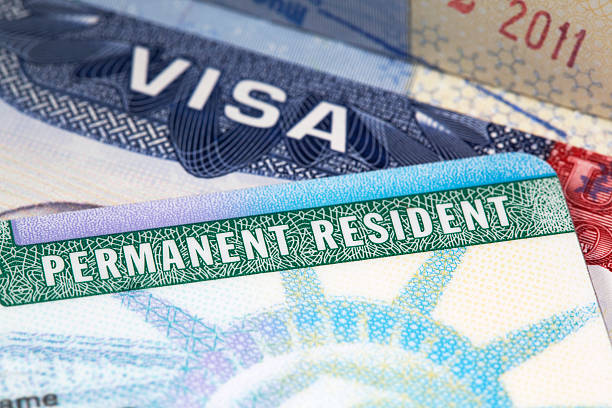
When relocating to the United States, there are a number of visas that may be available to an at-risk artist, though eligibility, criteria, and lengths of stay are variable.
Pro bono attorneys in AFI’s network are currently representing artists who are seeking:

If you are an artist facing risk, persecution, or displacement, learn how AFI can support you and how to apply.
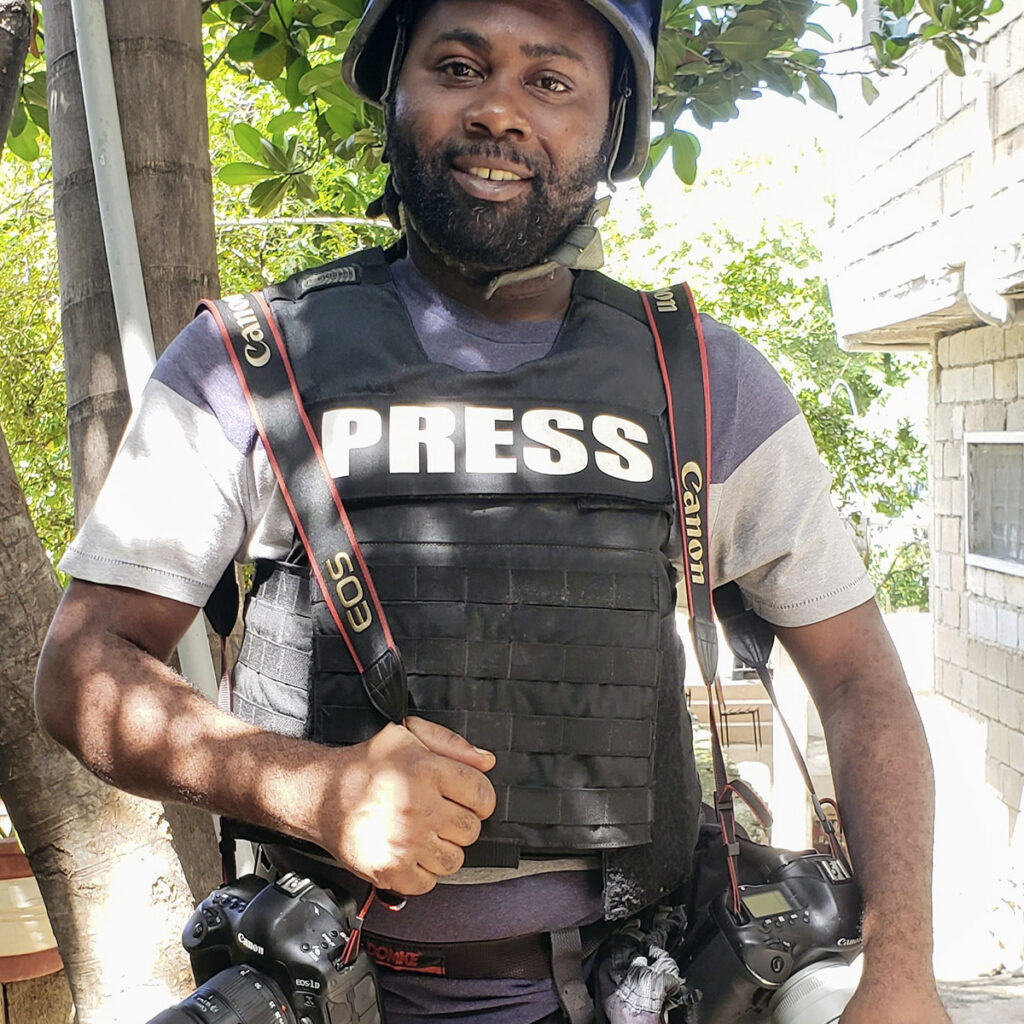
Dieu-Nalio Chery is a photographer and photojournalist from Haiti.
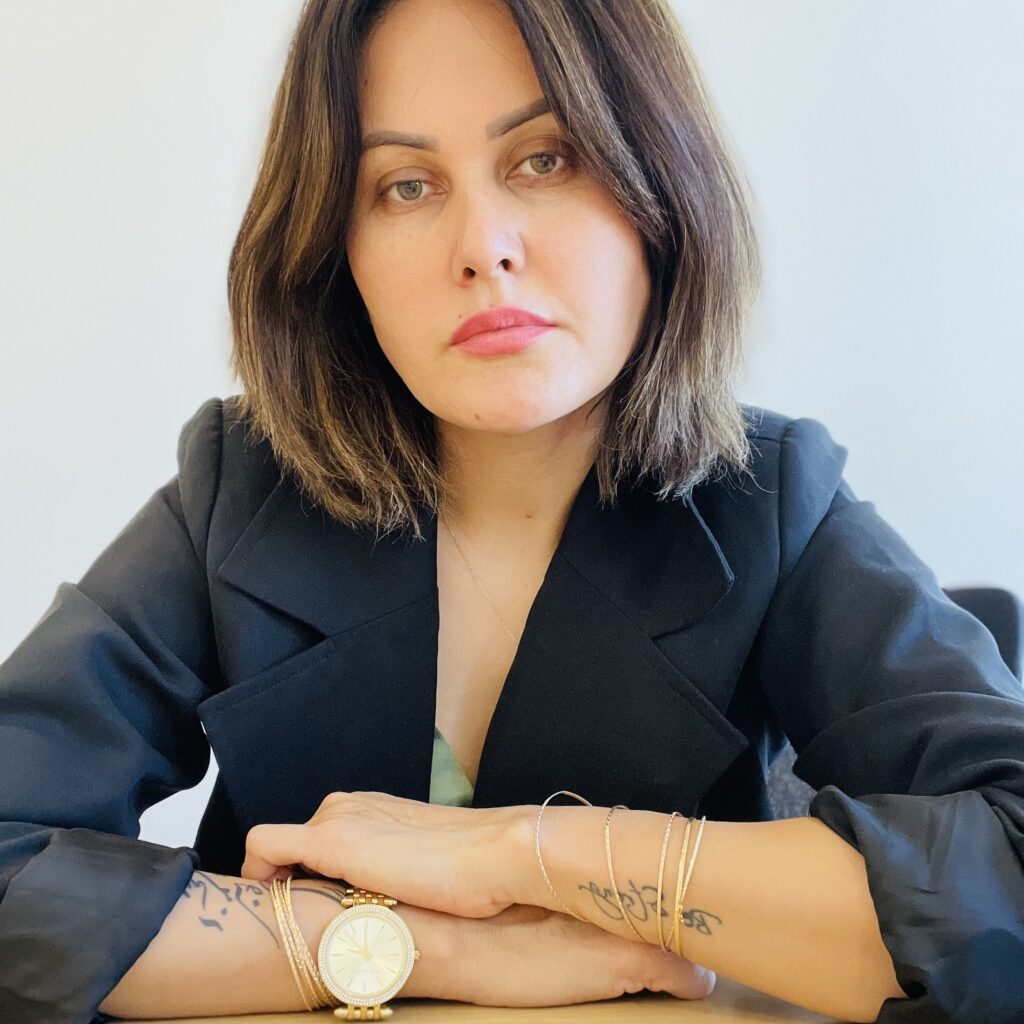
Sahraa Karimi is a film director, scriptwriter and university Lecturer from Afghanistan.
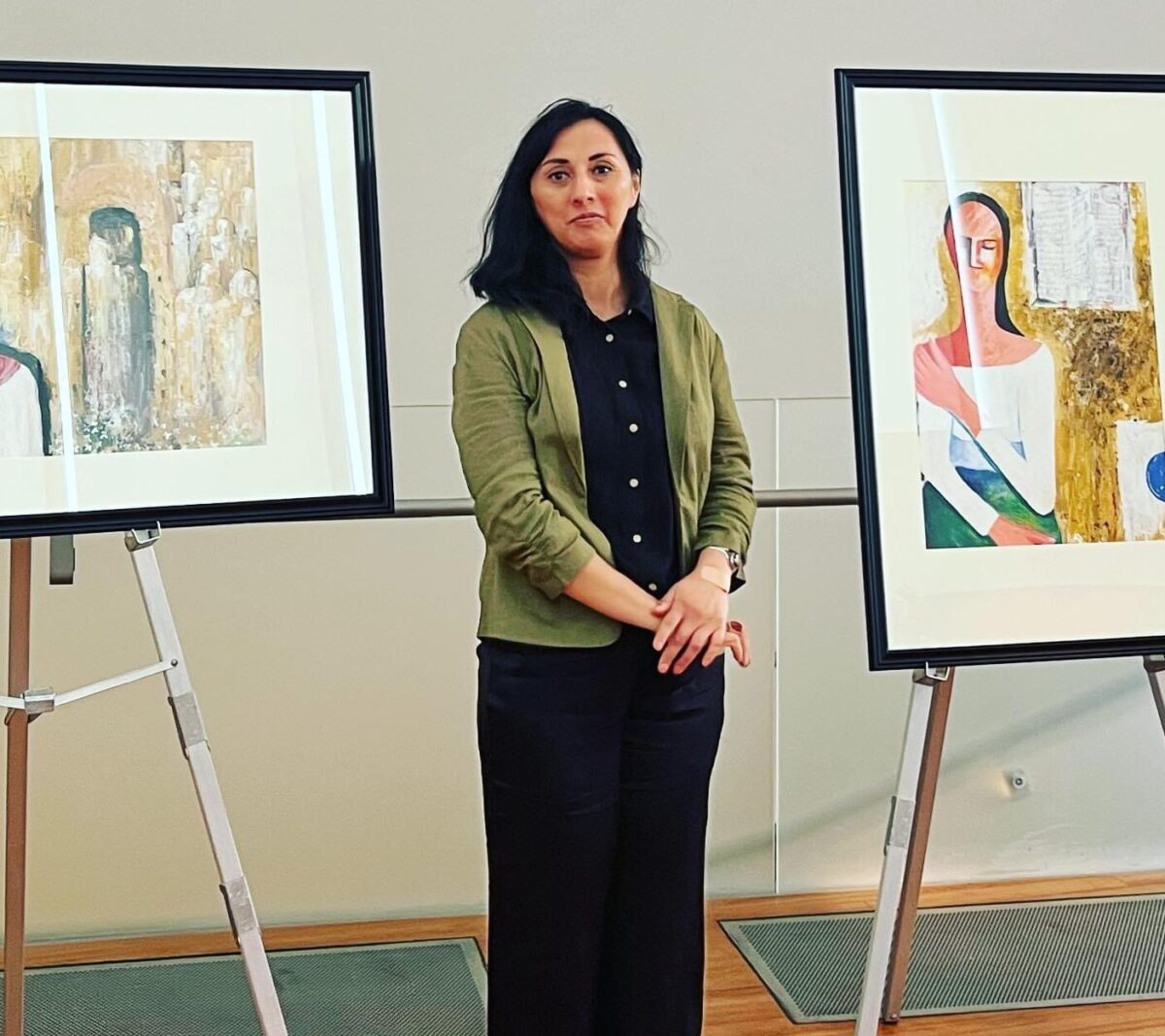
AFI is pleased to feature the work of Afghan visual artist Jahan Ara Rafi throughout Artistic Exodus. Her five paintings, featured at the close of each of the main chapters of Artistic Exodus, speak to some of the key themes of our research: censorship, suppression, and forced migration.
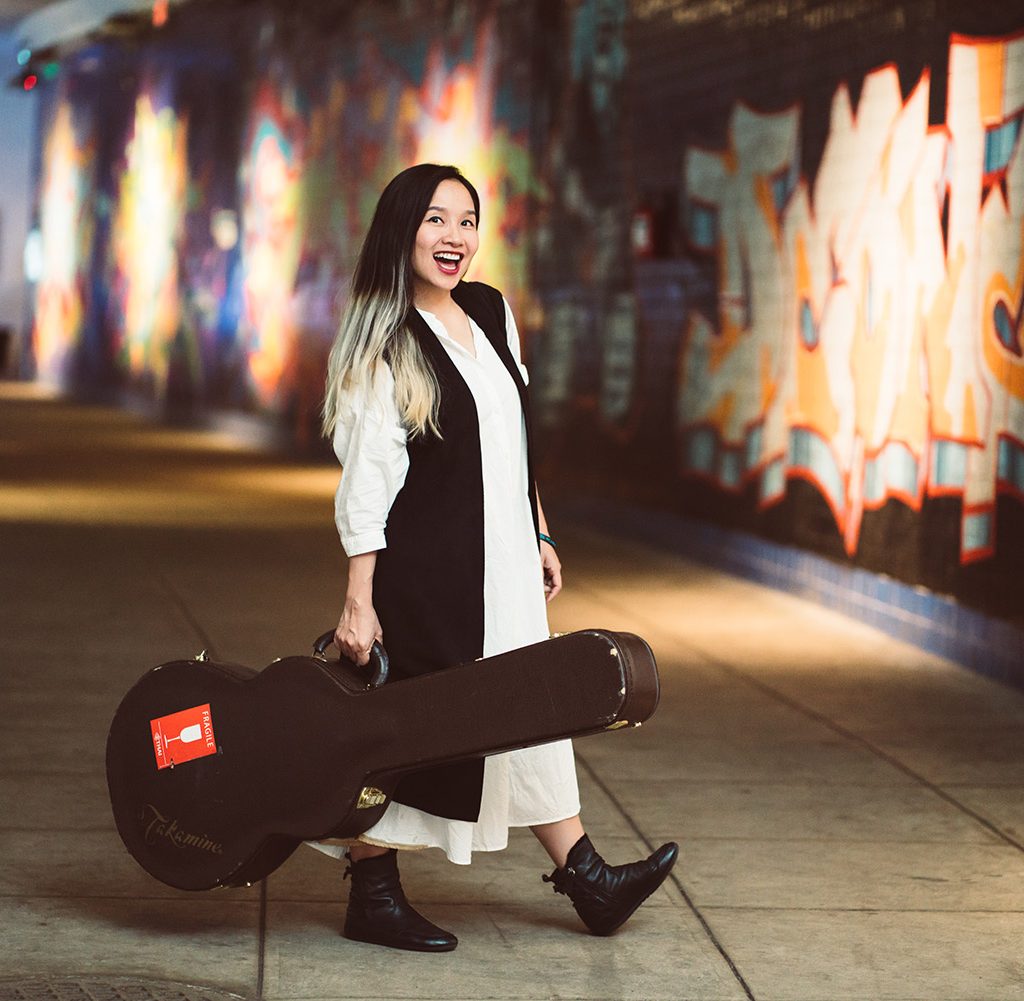
Mai Khoi, is a Vietnamese musician and composer, and a former musician in residence at SHIM:NYC.
As censorship rises and artists are targeted for speaking truth to power, protecting creative voices has never been more urgent. Since 2017, AFI has supported over 2,000 courageous artists who continue making art even when it places them at risk. Your contribution ensures artists can keep creating, sharing, and inspiring change—protecting both their voices and the right to artistic freedom worldwide.